


Third-party tested
Certificate of analysis
Every batch we sell is tested by an independent lab before it ships. The reports are here, unedited.
Reports by product
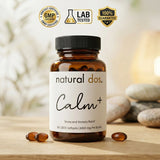
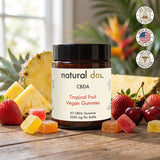
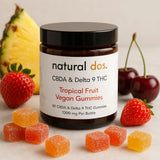
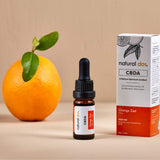
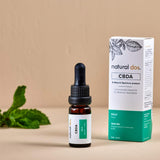
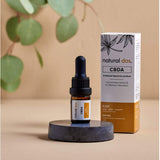
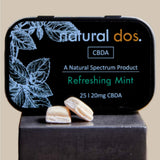
What every batch is tested for
Five tests, one independent lab.
Every finished product goes to SC Labs, a certified third-party laboratory. We never test our own product.
About product testing
What is a certificate of analysis?
A CBD Certificate of Analysis, also termed a CoA, is a report from a lab that has performed testing on a CBD product, such as CBD tinctures or CBD gummies. The CoA should be from a third party lab, and not done by the company to prevent conflict of interest.
For hemp CBD products, a CoA should at least cover the 5 main areas: Potency (the amount and what type of cannabinoids are present), heavy metal contamination, pesticide contamination, residual solvents, and microbes.
Whether its a CBD product, CBDA product, or Delta 8 THC product, they should all come with CoAs.
How do I read a certificate of analysis?
The Certificate of Analysis (CoA) should show the results of third party lab testing for a range of compounds. To check that the right amount of cannabinoids are in the product, look for the amount per unit calculation.
Make sure that they tested for heavy metals, pesticides, residual solvents and microbes, and that the report reads either “ND”, or PASS.
For more information, please check out our CoA Guide.
How do I verify a report?
A good CoA for a product will be performed by a certified third party testing laboratory. They typically house the product testing results, and a reputable CBD or CBDA company will then give access to those results from the testing companies website. This is usually done via QR codes on the product.
At Natural Dos, all our products come with a CoA QR code, and when you scan it takes you to SCLABS.COM, who presents the results from their end.
Why does a certificate of analysis matter?
Frankly, there should be a CoA on every packaged food item you buy. In the early days of cannabinoids, a lot of companies did not practice good manufacturing, and some products contained much more or much less cannabinoids than labeled. There were also instances of residual solvents and pesticides, despite the ban on pesticide use for farmers.
Many plants, like hemp, will leach out heavy metals from the soil, so if the soil is contaminated it will get in the flower, and then in the CBDA or CBD oil.
Most of the oil, canola, vegetable etc, you buy at the grocery store contains residual solvents, which is allowed by the USDA under a certain amount. A quality CBD or CBDA manufacturer will have a cleaner product than most food products you buy.